


The integration of agricultural data analytics into farming practices has become increasingly essential. This approach, often termed “smart farming” or “precision farming” uses farm-level data to enhance productivity, sustainability, and profitability. In India, where agriculture is a vital sector supporting the livelihood of millions, the strategic use of data can revolutionize traditional farming methods.
Understanding the Landscape of Indian Agriculture
Indian agriculture is characterized by diverse climatic conditions, varied soil types, and a wide range of crops. The sector employs over half of the country’s workforce and contributes significantly to the GDP. However, challenges such as fragmented landholdings, unpredictable weather patterns, and limited access to advanced technologies hamper optimal productivity. To address these issues, leveraging farm-level data can provide actionable insights and improve overall farm management.
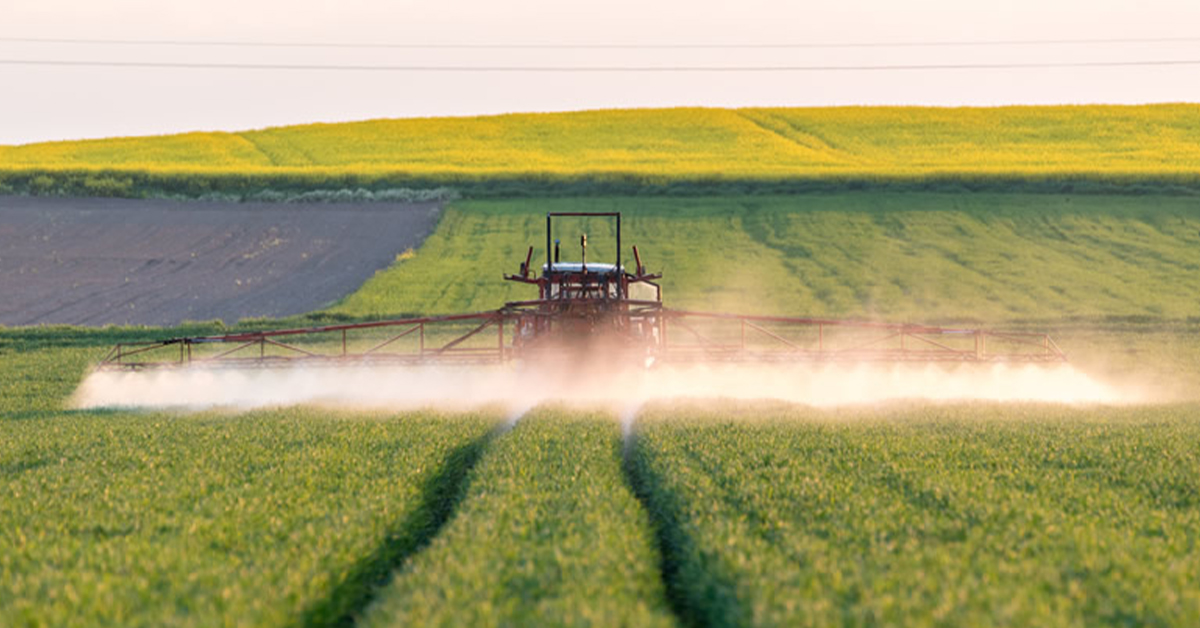
Precision Data Collection
It helps gather detailed and accurate information about fields by utilizing advanced technologies, such as remote sensing, IoT sensors, and mobile applications.
Types of Data to be Collected
Farm-level data covers a broad spectrum of information, each critical for different aspects of farm management, such as:
- Soil Data: Information on soil composition, pH levels, moisture content, and nutrient availability helps in determining the right type of crops to grow and the necessary soil amendments.
- Weather Data: Real-time data on temperature, rainfall, humidity, and wind speed help in planning planting schedules, irrigation needs, and pest control measures.
- Crop Data: Tracking the growth stages of crops, health indicators, and yield estimates can help in optimizing agricultural practices and improving productivity.
- Operational Data: Data related to machinery usage, labor, and input costs (seeds, fertilizers, pesticides) provides insights into the efficiency and cost-effectiveness of farm operations.
- Market Data: Information on current market prices, demand trends, and supply chains helps make better marketing and sales decisions.
Methods of Data Collection
Collecting accurate and comprehensive precision farming data is crucial. Various methods and technologies are employed to gather farm-level data, such as:
- Remote Sensing: Satellite imagery captures high-resolution images of fields, providing data on crop health, soil conditions, and more.
- Internet of Things (IoT) Devices: IoT sensors placed in fields monitor soil moisture, temperature, and other environmental conditions in real-time.
- GPS Technology: GPS devices track the movement of machinery and labor, ensuring efficient use of resources and precise application of inputs.
- Mobile Applications: Smartphone apps enable the manual input of data, weather updates, and advisory services.
- Field Surveys: Traditional methods of field surveys and sampling continue to play a role in collecting detailed ground-level information.
Leveraging Data for Informed Decision-Making
The true value of farm-level data lies in its analysis and application. By leveraging this data, farms can make informed decisions that enhance productivity and sustainability.
- Optimizing Inputs: Data-driven insights are helpful in applying the right amount of fertilizers, water, and pesticides, minimizing waste and environmental impact while maximizing crop yields.
- Predictive Analytics: Advanced algorithms analyze historical and real-time data to predict pest outbreaks, weather conditions, and crop performance, allowing proactive measures to reduce risks.
- Resource Management: Efficient allocation of resources such as labor and machinery is possible through data analytics, reducing operational costs and increasing profitability.
- Personalized Recommendations: Tailored advice can be provided based on specific farm data to ensure each farm operates at its highest potential.

Supporting Operations and Scaling Effectively
Data-driven strategies are beneficial for larger agricultural operations and policy planning in the following ways:
- Farm Cooperatives: Data sharing among cooperative members can lead to collective decision-making, bulk purchasing of inputs, and synchronized planting schedules, increasing overall efficiency.
- Supply Chain Optimization: Real-time data on crop status and market conditions helps streamline the supply chain, reducing post-harvest losses and ensuring timely delivery to markets.
- Government Initiatives: Policymakers can use comprehensive farm-level data to design targeted interventions, subsidies, and support programs, addressing the specific needs of different regions.
- Agritech Startups: Startups focusing on precision farming can use farm-level data to develop innovative solutions and services, driving technological advancements in the sector.
Future Potential of Farm-Level Data
The future of Indian agriculture is ready to be transformed by the continued integration of data analytics. As technology advances, the precision and scope of data collection will improve, enabling more sophisticated analysis and decision-making. Key areas of potential include:
- Artificial Intelligence (AI): AI can further enhance predictive analytics, automate decision-making processes, and provide real-time solutions to emerging issues.
- Blockchain Technology: Ensuring data transparency and traceability in the supply chain, blockchain can build trust among consumers and stakeholders.
- Big Data Analytics: Handling and analyzing vast amounts of data from various sources can bring forth new patterns and insights, driving innovation and efficiency.
- Sustainable Practices: Data-driven approaches can promote sustainable farming practices, reducing environmental impact and conserving resources for future generations.
Conclusion
Harnessing farm-level data with the help of agribusiness management software is critical for achieving strategic success in Indian agriculture. By understanding and leveraging the diverse types of data, employing advanced collection methods, and making informed decisions, agribusinesses can overcome traditional challenges and unlock new levels of productivity and sustainability. As technology continues to evolve, the potential for data-driven agriculture will only grow, promising a more prosperous and resilient future. Embracing this digital revolution is not just an option but a necessity for the continued growth and success of the agricultural sector.
Ready to unlock the full potential of farm-level data? Khetibuddy’s agribusiness management software is your one-stop solution. Book a Demo


Leave A Reply